
Dr Steve Seah
Senior Consultant Ophthalmologist
MBBS, FRCS(G), M Med(Ophth)
FRCS(Ed), FRCOphth, FAMS
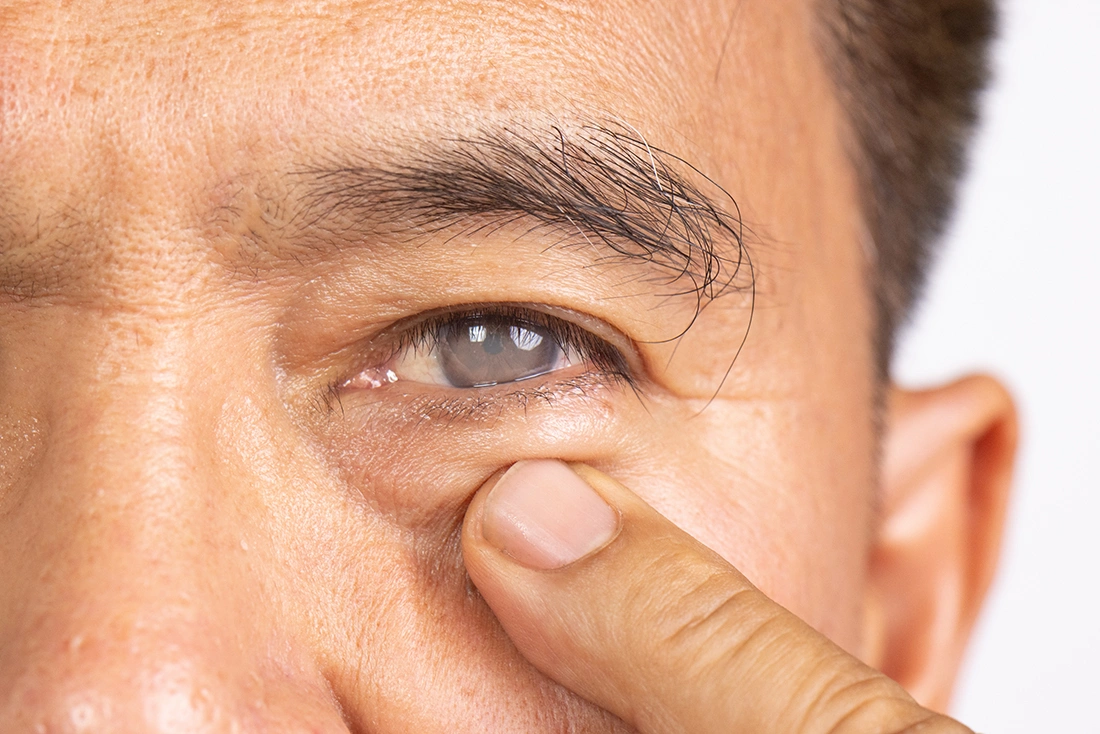
When it comes to eye health and managing conditions, many patients are confused about the type of specialist they should consult. From general eye concerns to more complex conditions such as cataracts and glaucoma, the type of care required can vary significantly.
Choosing the right eye specialist is an important step in ensuring timely diagnosis and appropriate treatment. With so many different subspecialties and areas of expertise, understanding who to consult can help you receive care that is better suited to your specific condition.
Key Factors to Consider When Selecting an Eye Specialist
When choosing an eye specialist clinic, there are multiple factors you need to consider. Your ideal eye clinic should have:
Established Experience and Expertise
An experienced eye specialist is better equipped to diagnose and manage a wide range of eye conditions. Look for a doctor who has a strong track record in treating specific conditions such as cataracts, glaucoma or eyelid-related concerns, as this often reflects deeper clinical expertise.
Transparent and Clear Communication
Transparency in both diagnosis and treatment planning is essential. A good specialist should take time to explain your condition, outline available treatment options and provide clear information on expected outcomes, risks and costs so you can make informed decisions.
A Patient-Centred Approach
A patient-first approach ensures that your concerns, lifestyle and treatment preferences are taken into account. This includes personalised care plans, thorough consultations and ongoing support throughout your treatment journey.
Common Eye Conditions That Require Specialist Treatment
Complex cases often require the expertise of an eye specialist for accurate diagnosis and appropriate management. These conditions may not be manageable with routine care alone, and recovery may involve more complex evaluation, monitoring or surgical intervention.
When choosing an eye specialist, it is important to consider their experience in managing the specific condition affecting you, as different conditions require different skill sets, technologies and levels of surgical precision.
Cataracts
Cataracts occur when the natural lens of the eye becomes cloudy, leading to blurred, dim or distorted vision. This condition typically develops gradually with age, and can interfere with daily activities such as reading or driving.
The primary treatment for cataracts is surgical removal of the cloudy lens, followed by the implantation of an artificial intraocular lens. This is a highly precise procedure, and eye specialists have to carry out tests to determine the most suitable lens type for the patient’s visual needs.
When choosing a specialist for cataract care, it is important to look for clinics that are experienced in modern cataract surgery techniques and intraocular lens selection. Surgeons who are familiar with advanced technologies and multiple lens options are better equipped to treat patients, helping them achieve improved vision outcomes.
Glaucoma
Glaucoma is a group of eye conditions that damage the optic nerve, often due to increased pressure within the eye. It usually develops gradually and may not cause noticeable symptoms in the early stages, but it can lead to permanent vision loss if left untreated.
Treatment focuses on lowering eye pressure to prevent further damage. This may involve medicated eye drops, laser procedures or surgery, depending on how advanced the condition is. Eye specialists also need to carry out detailed scans and regular monitoring to track progression over time.
Given the long-term nature of glaucoma, experience in ongoing disease management is essential. Specialists who are familiar with different treatment methods and monitoring techniques are better able to help patients preserve vision in the long run.
Myopia
Myopia, or short-sightedness, is an extremely common condition where distant objects appear blurred due to the way light is focused in the eye. While it is commonly corrected with glasses or contact lenses, some individuals develop progressive or high myopia, which can increase the risk of complications affecting the retina. In these cases, they may want to opt for long-term treatment in the form of laser surgery, instead of simple vision correction.
For adults seeking a more permanent solution, laser vision procedures such as LASIK or Epi-LASIK may be considered. These procedures reshape the cornea to improve how light is focused onto the retina. As a delicate operation, laser surgery requires careful assessment by a specialist to determine its suitability and ensure safe outcomes.
For patients with progressive myopia or those considering surgical correction, it is helpful to seek care from clinics that offer a range of treatment options. Experience in both myopia management and laser procedures allows specialists to recommend appropriate solutions based on individual eye health and visual needs.
Eyelid Conditions
Several types of eyelid conditions may affect both vision and eye comfort, depending on their severity and underlying cause. Common issues include drooping eyelids (ptosis), which may obstruct vision, as well as entropion, where the eyelid turns inward and causes the lashes to rub against the eye surface. These conditions can lead to irritation, tearing and, in some cases, damage to the eye if left untreated.
Treatment often involves surgical correction to restore normal eyelid position and function. Eye specialists need to assess eyelid structure, muscle strength and the extent of eye involvement before determining the most appropriate approach for an operation.
As eyelid procedures require a high level of precision, experience in oculoplastic or eyelid surgery is important. Clinics that regularly manage conditions such as ptosis and entropion are better equipped to perform these procedures safely, improving both visual function and overall eye comfort while maintaining a natural appearance.
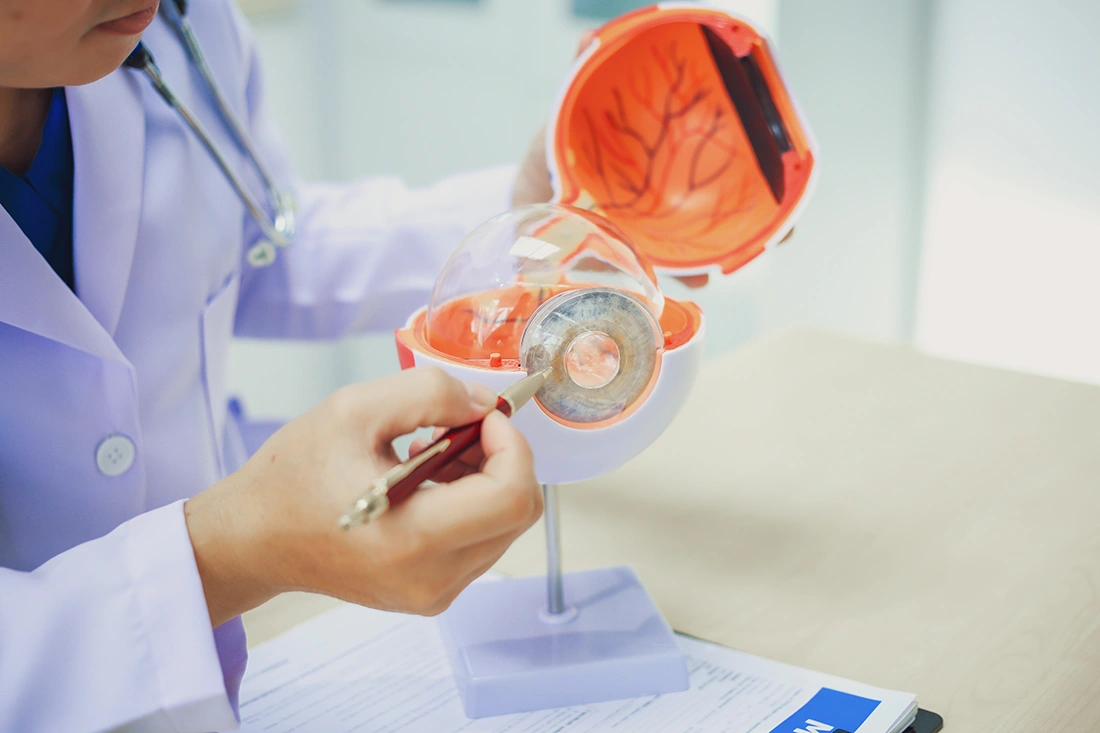
Specialist Experience in Cataract, Glaucoma and Eyelid Care
Choosing the right eye specialist comes down to more than just credentials. Different eye conditions require different types of expertise, from precise surgical techniques to long-term monitoring capabilities. A clinic that is experienced in multiple categories of eye care can serve as the right place for you to seek out treatment.
At Steve Seah Eye Centre, we are equipped to manage a wide range of eye conditions, with a focus on accuracy, safety and personalised care. Care is led by senior consultant ophthalmologist Dr Steve Seah, who has over 30 years of clinical experience in diagnosing and managing a wide range of eye conditions. Dr Seah is well-versed in cataract surgery, glaucoma management and refractive procedures such as Epi-LASIK, and he is able to provide tailored treatment plans based on each patient’s condition and visual needs.
Contact us today to arrange a consultation and take the next step towards protecting your long-term eye health.
