
Dr Steve Seah
Senior Consultant Ophthalmologist
MBBS, FRCS(G), M Med(Ophth)
FRCS(Ed), FRCOphth, FAMS
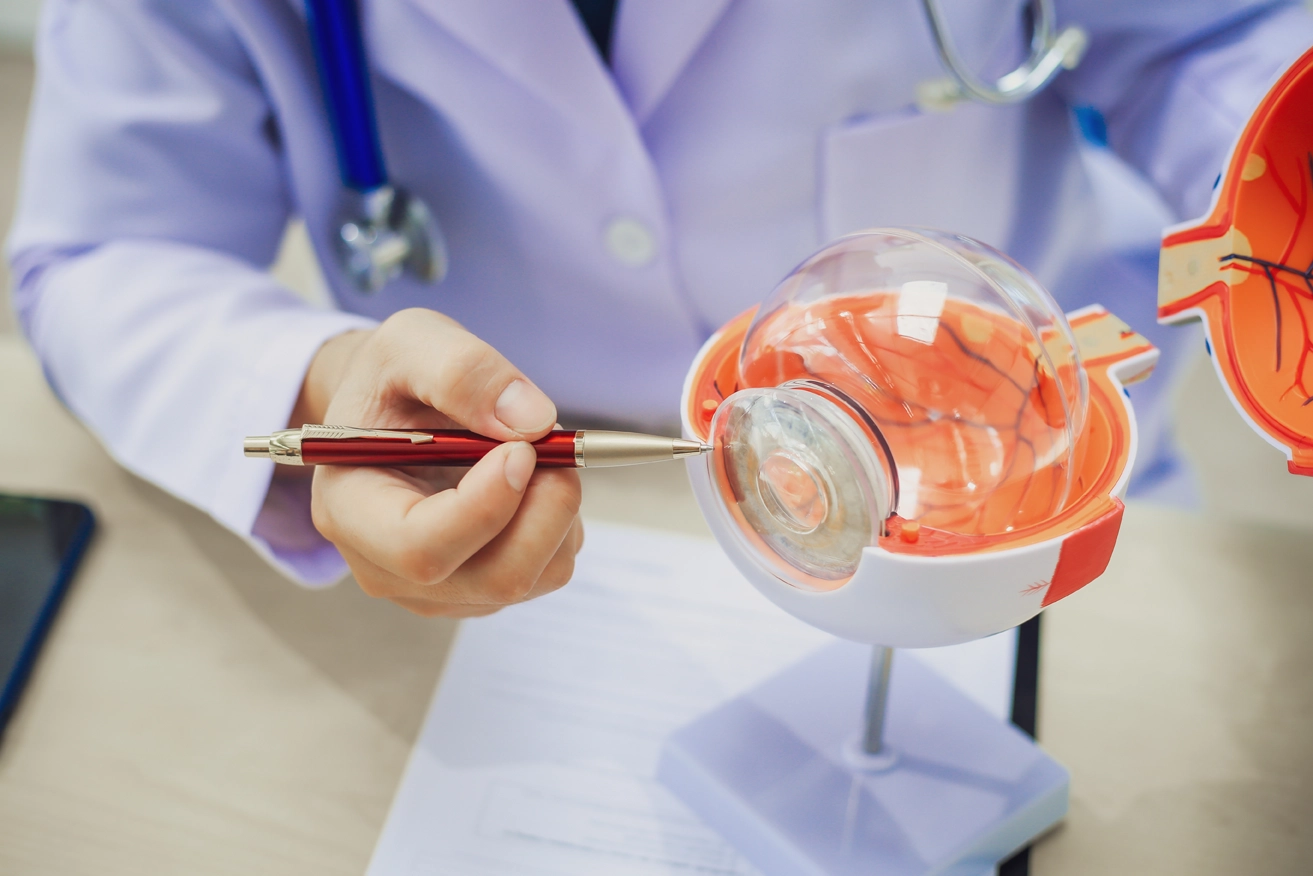
Changes in your vision can occur for many reasons, from refractive errors that make objects appear blurry to eye conditions that can progressively affect your sight. Some problems develop gradually and may initially be difficult to notice, while others can cause more obvious changes to your vision or everyday activities.
An ophthalmologist is a medical doctor who specialises in diagnosing and treating conditions affecting the eyes and vision. Depending on the condition, an ophthalmologist may provide ongoing monitoring, prescribe medication or recommend surgical treatment.
Understanding how these common eye conditions affect your vision, the signs they may cause and the treatments available can help you recognise when changes warrant further assessment and how an ophthalmologist can help.
What Eye Symptoms Can an Ophthalmologist Assess?
Eye conditions can cause changes in your vision, eye comfort or visual function. These changes may warrant assessment by an ophthalmologist when they persist, worsen or begin to interfere with everyday activities. Symptoms to look out for can include:
- Blurred, cloudy or hazy vision
- Difficulty seeing clearly at near or far distances
- Reduced peripheral vision
- Increased sensitivity to light or glare
- Halos around lights
- Difficulty seeing at night
- Eye pain or persistent discomfort
- New flashes of light or floaters
- Changes to the position or appearance of the eyelids
An ophthalmologist can assess these symptoms and carry out an eye examination to identify which part of the eye may be affected and determine the underlying cause.
Glaucoma
Glaucoma is a group of eye conditions that damage the optic nerve, which carries visual information from the eye to the brain. It is often associated with increased pressure inside the eye.
In its early stages, glaucoma may cause few or no noticeable symptoms. As the condition progresses, peripheral vision can gradually be lost and, without appropriate treatment, the damage can become permanent. This makes regular eye assessment particularly important for people at higher risk of glaucoma, while those already diagnosed typically require ongoing monitoring.
Glaucoma treatment aims to lower eye pressure and reduce the risk of further optic nerve damage. Depending on the type and severity of glaucoma, an ophthalmologist may recommend eye drops, laser treatment or surgery. Ongoing monitoring is also important because treatment may need to be adjusted according to changes in eye pressure and the condition of the optic nerve.
Cataracts
A cataract develops when the normally clear lens inside the eye becomes cloudy. Cataracts become increasingly common with age and can gradually interfere with the amount of light reaching the retina.
Common changes include blurred or hazy vision, increased sensitivity to glare, difficulty seeing at night and colours appearing less vivid. These changes may initially be mild but can eventually make activities such as reading or driving more difficult.
Early cataracts may only require monitoring or an updated glasses prescription. When a cataract begins to significantly interfere with vision or everyday activities, an ophthalmologist may recommend cataract surgery, where the cloudy natural lens is removed and replaced with an artificial intraocular lens to restore clearer vision.
Refractive Errors
Refractive errors occur when the shape or focusing properties of the eye prevent light from being focused correctly on the retina. They include myopia (short-sightedness), hyperopia (long-sightedness), astigmatism and presbyopia, which causes increasing difficulty focusing on nearby objects with age.
The resulting vision problems differ according to the type of refractive error. Some people have difficulty seeing distant objects clearly, while others experience blurred near vision or reduced clarity at multiple distances.
Glasses and contact lenses are commonly used to correct refractive errors. An ophthalmologist can also assess whether refractive surgery such as LASIK is a suitable option.
Drooping or Sagging Eyelids
Changes to the upper eyelids can occur when the eyelid itself droops or when excess skin begins to hang over the natural eyelid crease. In some people, the change is primarily cosmetic.
However, particularly severe cases can extend into your field of vision and make activities such as reading more difficult. An ophthalmologist can examine the eyelids and determine whether the problem involves excess skin, the position of the eyelid or another underlying condition.
If excess upper eyelid skin is affecting vision or causing significant concerns about eyelid appearance, an ophthalmologist may suggest eyelid surgery to remove excess skin and reshape the eyelid area.
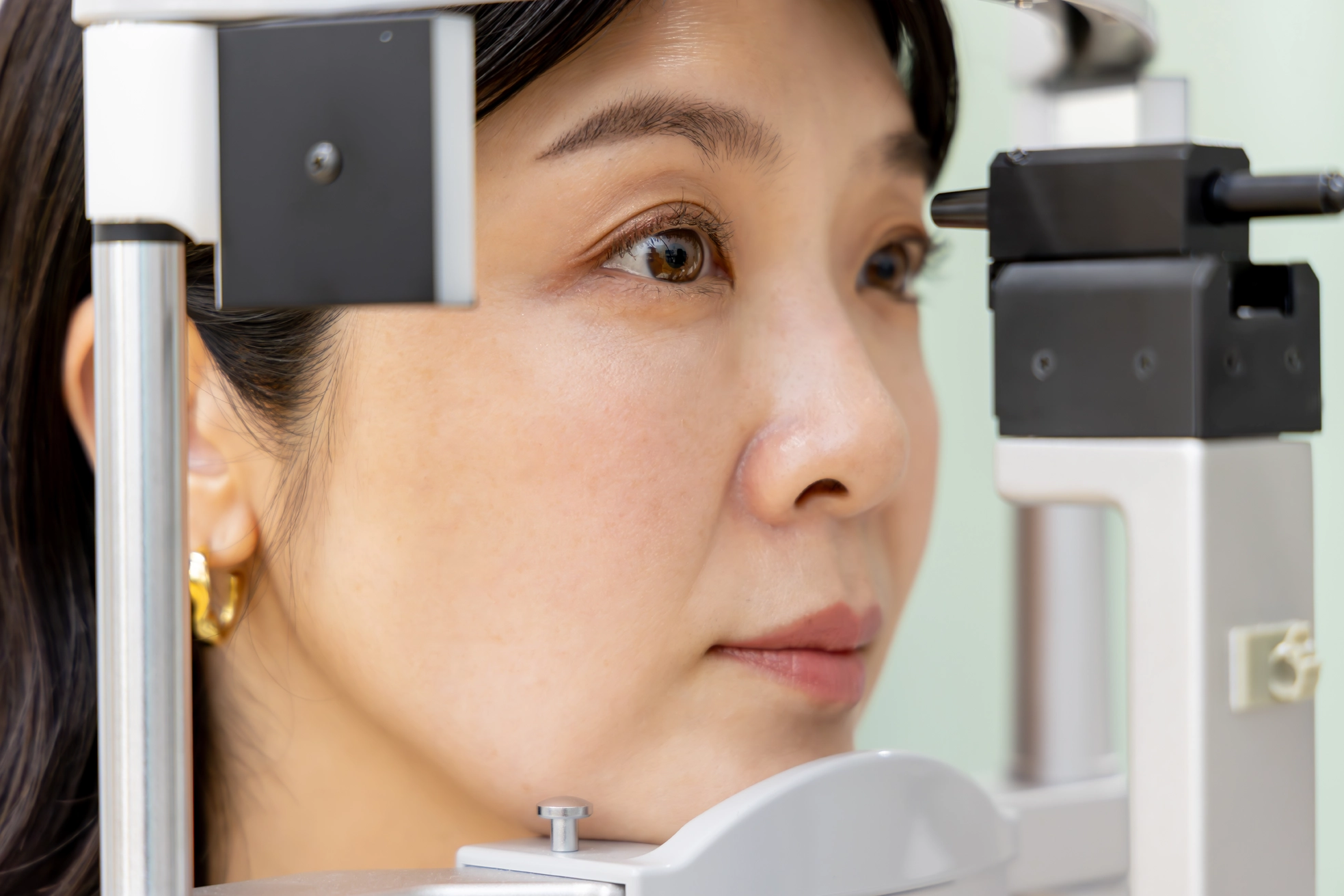
When Should You Consult an Ophthalmologist About Your Eye Health?
Some eye conditions develop gradually, while others may cause changes that become noticeable relatively quickly. An ophthalmologist can assess the cause of these changes and determine whether monitoring or treatment is needed.
Consider consulting an ophthalmologist if you:
- Notice persistent or worsening changes in your vision
- Experience eye pain, discomfort or unusual visual symptoms
- Have an existing eye condition that requires ongoing monitoring
- Find your everyday activities affected by these changes
At Steve Seah Eye Centre, ophthalmology care is led by Dr Steve Seah, our senior consultant ophthalmologist, who has over 30 years of clinical experience managing eye conditions such as glaucoma, cataracts and refractive errors. His experience spans both medical and surgical eye care, including complex glaucoma procedures, cataract surgery and refractive procedures such as LASIK.
Dr Seah takes an individualised approach to eye care, assessing the condition of your eyes, changes in your vision and your visual needs before discussing suitable management options. Where ongoing care is required, regular follow-up also allows treatment to be reviewed as your condition changes over time.
If you have concerns about your vision or eye health, book an appointment with our clinic for an assessment.
