
Dr Steve Seah
Senior Consultant Ophthalmologist
MBBS, FRCS(G), M Med(Ophth)
FRCS(Ed), FRCOphth, FAMS

Vision concerns can range from temporary discomfort to chronic conditions that may significantly impact daily life. Some issues develop gradually without noticeable symptoms, while others may appear suddenly and require prompt attention. Understanding the common causes, warning signs and available treatment options can help individuals recognise potential problems early and feel more prepared to manage their eye health effectively.
Eye Strain and Fatigue
Prolonged screen time, reading without proper lighting or tasks that require intense focus can lead to eye strain and fatigue. Symptoms may include headaches, blurry vision and a sensation of tired or aching eyes. These issues often occur because the eyes are working harder than usual to maintain focus, especially when blinking less often during screen use.
To reduce eye strain, it can help to adopt simple habits such as the 20-20-20 rule, where every 20 minutes, you look at an object 20 feet (6 metres) away for 20 seconds.
It can also be helpful to adjust your screen brightness and positioning to minimise glare, ensuring proper ambient lighting and blinking consciously can also help maintain eye comfort and reduce fatigue.
Dry Eyes
Dry eyes occur when the eyes fail to produce enough tears or your tears evaporate too quickly, leaving the eyes feeling gritty, itchy or burning. Environmental factors such as exposure to wind, smoke or dry climates can exacerbate this issue. Additionally, prolonged screen time may reduce blinking rates, worsening dryness.
Managing dry eyes often involves the use of lubricating eye drops, environmental adjustments and, in some cases, addressing underlying health conditions with professional advice.
Red or Itchy Eyes
Red or itchy eyes are frequently associated with irritation or inflammation. Allergens such as pollen, dust or pet dander can trigger symptoms, especially during certain seasons. Other causes may include conjunctivitis (pink eye), which is an inflammation or infection of the conjunctiva, or irritation from foreign particles or pollutants.
In many cases, these symptoms are temporary and can be managed with over-the-counter medications or allergy treatments. However, persistent or severe symptoms may warrant professional evaluation to rule out more serious conditions.
Blurry or Double Vision
Blurry or double vision can be unsettling and may arise from a variety of causes, ranging from simple refractive errors (such as myopia, hyperopia or astigmatism) to more complex conditions like cataracts, diabetes-related changes or neurological issues.
While occasional blurry vision may result from tiredness or dry eyes, persistent or sudden changes should always be evaluated by an eye care professional. Such symptoms could indicate a more serious underlying issue requiring prompt attention.
Age-Related Eye Conditions
As we age, the risk of developing certain eye conditions naturally increases. Cataracts are among the most common age-related conditions. Other concerns include age-related macular degeneration (AMD), which affects central vision, and glaucoma, which can cause vision loss due to pressure building up around the optic nerve.
Regular eye examinations play a role in detecting these conditions early, as many of them develop gradually and without noticeable symptoms in the initial stages. Early intervention can often slow progression and preserve vision.
Eye Infections
Eye infections can result from bacteria, viruses or fungi entering the eye. Common types include conjunctivitis, keratitis (infection of the cornea) or styes, which are painful lumps near the eyelid caused by bacterial infection.
While minor infections may resolve with proper hygiene and over-the-counter treatments, others may require prescription medication. Preventive measures, such as avoiding eye rubbing and ensuring proper contact lens hygiene, are helpful in reducing the risk of infection.
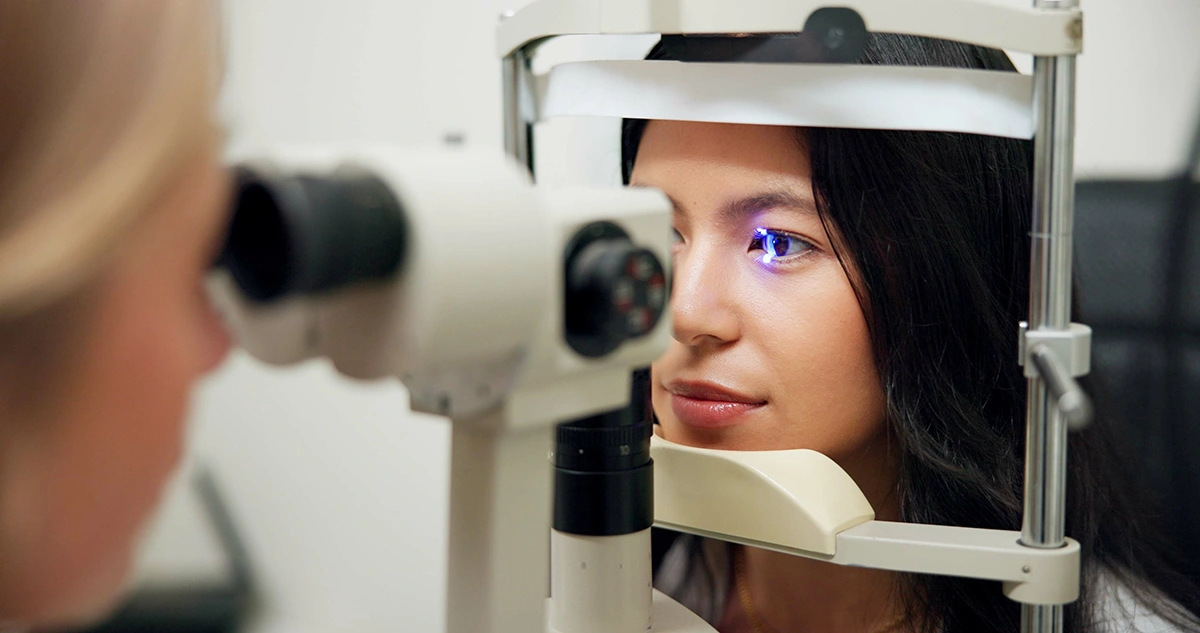
When Should You See an Eye Specialist?
While some eye concerns may resolve with simple care measures, certain symptoms should not be ignored. Persistent discomfort, ongoing dryness, frequent redness or changes in vision such as blurriness, double vision or difficulty seeing at night may indicate an underlying condition that requires professional evaluation.
Routine eye examinations provide an opportunity to detect potential issues early, ensuring timely treatment and better outcomes. Practising daily habits that prioritise eye wellness can also prevent unnecessary discomfort and help preserve vision.
If you have concerns about your vision or are experiencing ongoing symptoms, consult an ophthalmologist for a comprehensive assessment. At Steve Seah Eye Centre, we offer comprehensive eye assessments that can help patients discover potential issue in order to begin appropriate management of eye conditions. Our clinic is led by Dr Steve Seah, a senior consultant ophthalmologist with over 30 years of clinical experience.
Contact us today for a consultation to find out more about how you can resolve eye conditions and safeguard your vision in the long term.
