
Dr Steve Seah
Senior Consultant Ophthalmologist
MBBS, FRCS(G), M Med(Ophth)
FRCS(Ed), FRCOphth, FAMS
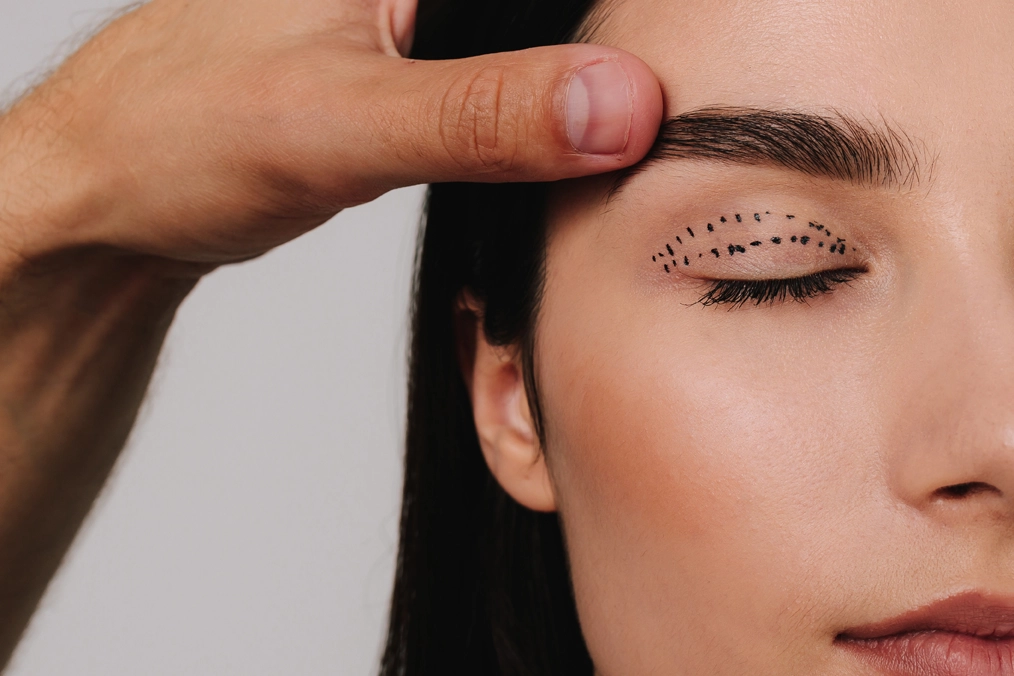
Changes in the eyelid muscles, brow position and tissues surrounding the eye can affect how the eyelids look and, in some cases, how well they function. When these changes interfere with vision or cause other functional concerns, an eye surgeon can assess the underlying cause and determine whether eyelid surgery may be appropriate.
Understanding how an eye surgeon approaches this assessment can give you a clearer idea of the factors considered when determining whether eyelid surgery is appropriate and which procedure may be recommended.
What Eyelid Concerns Can an Eye Surgeon Assess?
An eye surgeon may consider eyelid surgery when excess or sagging tissue around the upper or lower eyelids affects their appearance or function. Depending on the area involved, concerns that may be addressed include:
- Excess upper-eyelid skin: Loose or sagging skin can create a heavy appearance and, when more pronounced, may obstruct part of the upper visual field.
- Under-eye bags or puffiness: Changes in the tissues and fat around the lower eyelids can contribute to a puffy or tired appearance.
- Loose lower-eyelid skin: Age-related changes can cause the skin around the lower eyelids to become less firm and develop folds or wrinkles.
- Drooping of the upper eyelid: Ptosis occurs when the upper eyelid sits lower than normal and may require a different surgical approach from removing excess skin.
- Brow-related heaviness: A lower brow position can contribute to skin bunching or heaviness above the eyes and should be distinguished from changes affecting the eyelid itself.
Similar-looking eyelid concerns can therefore have different underlying causes. An eye surgeon first identifies the structures involved before determining which form of eyelid surgery, if any, may be appropriate.
What Does an Eye Surgeon Consider Before Eyelid Surgery?
Before recommending a surgical procedure, an eye surgeon needs to establish what is causing the eyelid concern and assess factors that could affect the procedure or its outcome. This may include:
- Eyelid and brow anatomy: The position of the eyelids and brows, amount of excess skin and distribution of tissue around the eyes are assessed to determine what is contributing to the concern. This can also help distinguish excess eyelid skin from ptosis or brow drooping.
- Vision: If excess upper-eyelid skin is affecting vision, the surgeon may assess the extent to which it obstructs the upper visual field and whether surgery could provide a functional benefit.
- Eye health: The eyes and ocular surface are examined for concerns such as dry eye or other existing eye conditions that could influence treatment or recovery.
- Medical history: Existing medical conditions, medications and previous eye procedures are reviewed for factors that may affect the suitability or timing of surgery.
Together, these findings help establish whether eyelid surgery may be appropriate and provide the information needed to consider the available treatment options.
How Does an Eye Surgeon Plan Eyelid Surgery Around Your Needs?
Once eyelid surgery is considered appropriate, the eye surgeon considers how treatment can be planned around the patient's anatomy, the areas affected and the changes they hope to address. Upper and lower eyelid concerns may require different approaches, while functional problems affecting vision may involve different priorities from surgery performed primarily for cosmetic concerns.
The surgeon will also discuss what the proposed treatment is intended to address, its limitations and the potential risks relevant to the individual patient. This allows the treatment plan to reflect both the clinical findings and the patient's goals before a specific surgical approach is agreed upon.
How Does an Eye Surgeon Determine Which Eyelid Procedure Is Appropriate?
The appropriate procedure depends on which structures are responsible for the eyelid concern. An eye surgeon uses the findings from the assessment to determine what needs to be corrected rather than selecting a procedure based on appearance alone.
For example, excess upper-eyelid skin may be addressed with blepharoplasty, while true ptosis may require surgery to correct the position of the upper eyelid. If brow position is contributing to heaviness around the eyes, this may also need to be considered when planning treatment.
Some patients may have more than one contributing factor. In these cases, the surgical plan may need to address multiple structures to achieve the intended functional or cosmetic outcome.

Personalised Eyelid Surgery Assessment with Dr Steve Seah
Eyelid surgery should be planned according to the cause of the eyelid concern, the structures involved and the health and function of the eyes. A detailed assessment can help establish whether surgery is appropriate and which approach may be suited to your individual needs.
At Steve Seah Eye Centre, our senior consultant ophthalmologist, Dr Steve Seah, assesses eyelid concerns alongside your vision and overall eye health before discussing suitable management options based on your individual needs.
If you are considering eyelid surgery, book an appointment today for a consultation and personalised assessment.
Frequently Asked Questions About Eyelid Surgery
Blepharoplasty removes or repositions excess skin, fat or other tissue around the eyelids, while ptosis surgery addresses an upper eyelid that sits lower than normal due to problems with the muscles responsible for lifting it. An eye surgeon can assess the cause of eyelid drooping to determine which procedure may be appropriate.
It may improve vision when excess upper-eyelid skin or a drooping eyelid obstructs part of the visual field. An eye surgeon can assess the eyelid position and vision to determine whether the concern is affecting visual function and whether surgery may help.
Previous LASIK or cataract surgery does not necessarily prevent you from having eyelid surgery. Your eye surgeon will review your surgical history, current eye health and ocular surface before determining whether another procedure is appropriate.
Upper and lower eyelid surgery may be performed during the same procedure when concerns affect both areas. Whether this is appropriate depends on your eyelid anatomy, eye health, treatment goals and the type of correction required.
Recovery varies according to the procedure performed and the extent of surgery. Swelling and bruising are common during the initial healing period and generally improve gradually. Your eye surgeon will advise when you can resume activities and monitor how the eyelids and eyes are recovering during follow-up appointments.
