
Dr Steve Seah
Senior Consultant Ophthalmologist
MBBS, FRCS(G), M Med(Ophth)
FRCS(Ed), FRCOphth, FAMS
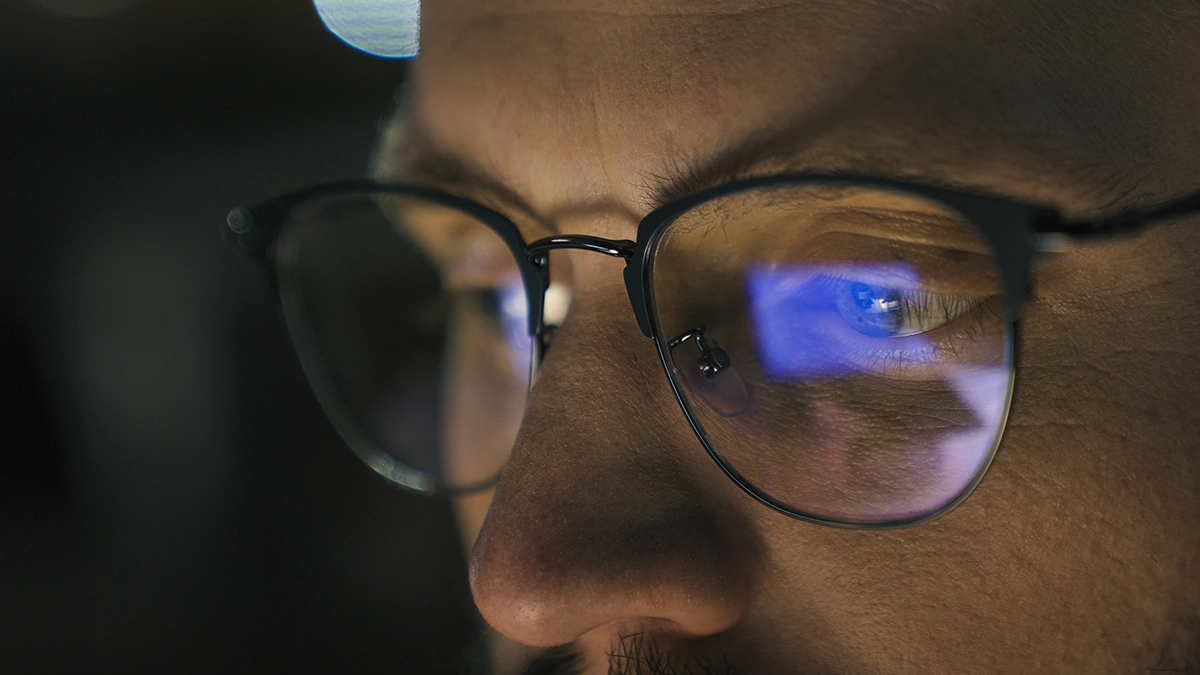
In the modern world, people tend to spend long hours staring closely at their smartphones, tablets and computers. This prolonged focus causes our eyes to constantly work harder than they should, resulting in a high amount of everyday strain.
Neglecting proper eye care habits can contribute to a range of vision problems, from dry eyes and blurred vision to more severe conditions such as glaucoma or macular degeneration. This makes it important to take steps to protect your vision.
Fortunately, eye care is a simple matter that does not involve any drastic measures. By incorporating a few straightforward habits into your daily routine, you may be able to protect your sight in the long-term.
Tip 1: Establish Daily Eye Care Habits
A simple eye care regimen can help reduce fatigue and keep your eyes feeling refreshed. Start with gentle cleansing, such as using a clean, damp cloth to wipe away debris or oils that can cause irritation.
If you spend long hours using digital devices, you may end up blinking less often, which can contribute to dryness and discomfort. Make a conscious effort to blink fully and more frequently to help maintain moisture on the surface of your eyes. In addition, take short, regular breaks from your screen to reset your focus and allow your eye muscles to relax. Making this commitment to regular relaxation can help to reduce eye strain and fatigue over time.
Tip 2: Prioritise a Nutrient-Rich Diet
Your choice of diet can play a significant role in maintaining your eye health. A balanced diet rich in specific nutrients can help ward off age-related vision issues like macular degeneration and cataracts.
Focus on incorporating the following into your meals:
- Leafy Greens: Spinach, kale and collard greens are packed with lutein and zeaxanthin, antioxidants associated with eye health.
- Omega-3 Fatty Acids: Oily fish like salmon, tuna and mackerel support retinal health and may help with dry eye symptoms.
- Vitamins C and E: Found in citrus fruits, nuts and seeds, these vitamins help ward off age-related vision damage.
- Vitamin A: Carrots and sweet potatoes are excellent sources of vitamin A, which aids with low-light vision.
Tip 3: Give Your Eyes Sufficient Rest
Getting sufficient sleep allows your eyes to restore tear balance and remove irritants that build up throughout the day. When you do not get enough rest, your eyes may feel dry, itchy or appear bloodshot. If your eyes feel tired during the day, you can apply a warm compress to help relax the surrounding muscles and support the function of the eyelid oil glands.
Gentle eye exercises can also provide relief. Try slowly rolling your eyes in a circular motion, or shifting your focus from a near object to a far object repeatedly. These movements help to improve flexibility and reduce tension in the eye muscles.
Tip 4: Quit Smoking and Excessive Alcohol Use
Your lifestyle habits can significantly affect your eye health. Smoking, in particular, exposes your eyes to harmful toxins that damage the delicate structures within the eye over time. This raises your risk of developing serious conditions such as age-related macular degeneration (AMD), cataracts and optic nerve damage, all of which can lead to permanent vision loss.
Similarly, consuming alcohol in moderation is advised, as excessive use can lead to nutritional deficiencies that affect eyesight.
Tip 5: Stay Fit and Active
General physical fitness is closely linked to eye health. Regular exercise improves blood circulation, which improves oxygen levels to the eyes and helps remove toxins.
Furthermore, staying fit helps to prevent common health conditions such as diabetes, high blood pressure and high cholesterol. These systemic diseases can lead to serious eye complications, including diabetic retinopathy and glaucoma.
Tip 6: Seek Out Regular Eye Check-Ups for Early Detection
One of the most effective ways to protect your vision is through regular eye exams. A comprehensive examination may be able to detect signs of eye diseases such as glaucoma and diabetic eye disease, which tend to be asymptomatic in their early stages. If you are affected by these conditions, you may not even realise your vision is changing until permanent damage has occurred.
An eye exam allows an ophthalmologist to inspect the retina, optic nerve and blood vessels for signs of disease. Early detection allows for timely treatment, which is often the only way to prevent vision loss. Adults should aim to schedule an exam every 2 years, or more frequently if they suspect that they are experiencing any vision-related conditions.

Regular Vision Care With a Trusted Eye Specialist
Numerous small, consistent choices contribute to overall eye care. From managing screen time and securing enough sleep, to maintaining a balanced diet and staying physically active, there are numerous ways to reduce the strain on your eyes and support long-term vision.
However, even with good habits, some eye conditions can develop without noticeable symptoms. Regular eye check-ups remain essential for detecting issues early and ensuring your eyes stay healthy over time.
At Steve Seah Eye Centre, we take a thorough and personalised approach to eye health. Led by Dr Steve Seah, a senior consultant ophthalmologist with over 30 years of experience, our clinic provides comprehensive assessments and management for a wide range of eye conditions.
Contact us today to arrange a consultation and take a proactive step towards protecting your vision.
