
Dr Steve Seah
Senior Consultant Ophthalmologist
MBBS, FRCS(G), M Med(Ophth)
FRCS(Ed), FRCOphth, FAMS

Modern eye surgery has advanced significantly over the past few decades, with innovations in technology and surgical techniques improving both safety and the success rate of various outcomes. Procedures that once carried higher risks are now more precise, can be performed in minimally invasive ways, and can be tailored to each patient’s needs.
From laser-assisted treatments to advanced lens implants, these developments have helped make vision correction more predictable and recovery times shorter. Understanding how safe these modern methods are can help patients feel more informed and confident when considering eye surgery as a solution for clearer vision.
Common Eye Surgery Procedures
There are numerous eye surgery techniques that are designed with specific goals in mind. Some of the most common ones include:
- Phacoemulsification Cataract Surgery: Phacoemulsification uses ultrasonic energy to gently break up and remove the cloudy natural lens affected by cataract. The surgeon then replaces it with a clear artificial intraocular lens (IOL) to restore vision.
- Epi-LASIK: This procedure utilises a laser to reshape the cornea and improve how light focuses on the retina, helping to reduce dependence on glasses or contact lenses.
- Eyelid Surgery (Blepharoplasty): This procedure removes excess skin and fat from the eyelids to address drooping lids, improving both appearance and visual function when the eyelids obstruct the field of vision.
Addressing Common Concerns About Eye Surgery
It is natural for patients to have questions about the safety of eye surgery, including potential risks, levels of discomfort and the impact on long-term eye health. Fortunately, with advancements in modern techniques and technology, many of these concerns can be effectively addressed through careful planning, precise surgical methods and thorough post-operative care. Common concerns patients may have include:
Fear of Pain During Surgery
A common concern among patients is whether eye surgery will be painful, especially given the sensitivity of the eye and the idea of instruments or incisions being involved. It is understandable that this can feel unsettling, particularly for those who have never undergone a surgical procedure before.
In reality, modern eye surgeries are designed to be as comfortable as possible. Most procedures are performed under local anaesthesia, typically in the form of numbing eye drops, which effectively prevent pain during the operation. Patients may feel slight pressure or mild sensations, but these are generally not painful. In addition, surgeons take careful steps to ensure patient comfort throughout the procedure, helping to make the overall experience more manageable and reassuring.
Fear of Vision Loss or Post-Surgery Complications
While complications exist with any surgery, the risk of significant vision loss is very low with modern eye procedures. Advances in technology, pre-surgical evaluations and the skill of trained ophthalmologists contribute to the overall safety of these operations. Most complications, such as dry eyes or temporary blurred vision, are minor and can be resolved through eye drops or other prescribed medication.
Concerns About Blinking or Accidental Eye Movement During Surgery
Some patients worry about involuntary blinking or flicking their eyes around during surgery, and whether this could affect the outcome or damage their eye.
Modern eye surgery techniques are designed to account for these factors. Special instruments are used to gently keep the eyelids open throughout the procedure, so blinking does not interfere. In addition, advanced systems for eye-tracking technology can detect and adjust to small eye movements in real time, helping surgeons maintain precision and control. These safeguards allow procedures to be carried out safely even if minor movements occur.
Suitability of Eye Surgery Across Different Ages
Patients often wonder if they are too young or too old to undergo eye surgery. While age can influence eligibility, it is not the only factor considered when determining suitability.
For example, laser vision correction is generally recommended for individuals aged 18 and above, once their vision prescription has stabilised. On the other hand, procedures such as cataract surgery are more commonly performed in older adults, as cataracts tend to develop with age.
A comprehensive pre-surgical assessment with an ophthalmologist can help determine the most appropriate treatment method for each patient.
Anxiety About Recovery Time
Another common concern is how long recovery will take and what the healing process involves. Patients may worry about downtime, discomfort, or disruptions to their daily routine.
Recovery time varies depending on the type of surgery, but most eye procedures only involve short recovery periods. For instance, patients undergoing LASIK or cataract surgery can often resume regular activities within a few days. Your ophthalmologist will usually provide detailed post-operative instructions to ensure a smooth and predictable healing process.
Factors Affecting Safety in Laser Eye Surgery
Several factors contribute to safety in modern eye surgery, such as:
Modern Technology
Advances in technology have improved the safety of eye surgery. Equipment such as femtosecond lasers, wavefront-guided systems and 3D imaging allows for accurate and customised treatments. Computer-guided platforms also help reduce human error, ensuring that surgical steps are performed with precision.
Experienced Eye Surgeons
Training, clinical familiarity and careful judgement help surgeons assess patient suitability and perform the procedure with confidence. It is advisable to review your chosen surgeon’s qualifications, track record and patient reviews before proceeding.
Patient Awareness and Cooperation
Patients also have a role to play in ensuring their safety and optimising outcomes. This includes attending all pre-surgical evaluations, adhering to pre- and post-surgical instructions and maintaining open communication with their surgeon. For instance, patients with pre-existing conditions such as dry eyes should notify their doctor so that appropriate steps can be taken before surgery.
Achieving Peace of Mind With Specialist Guidance
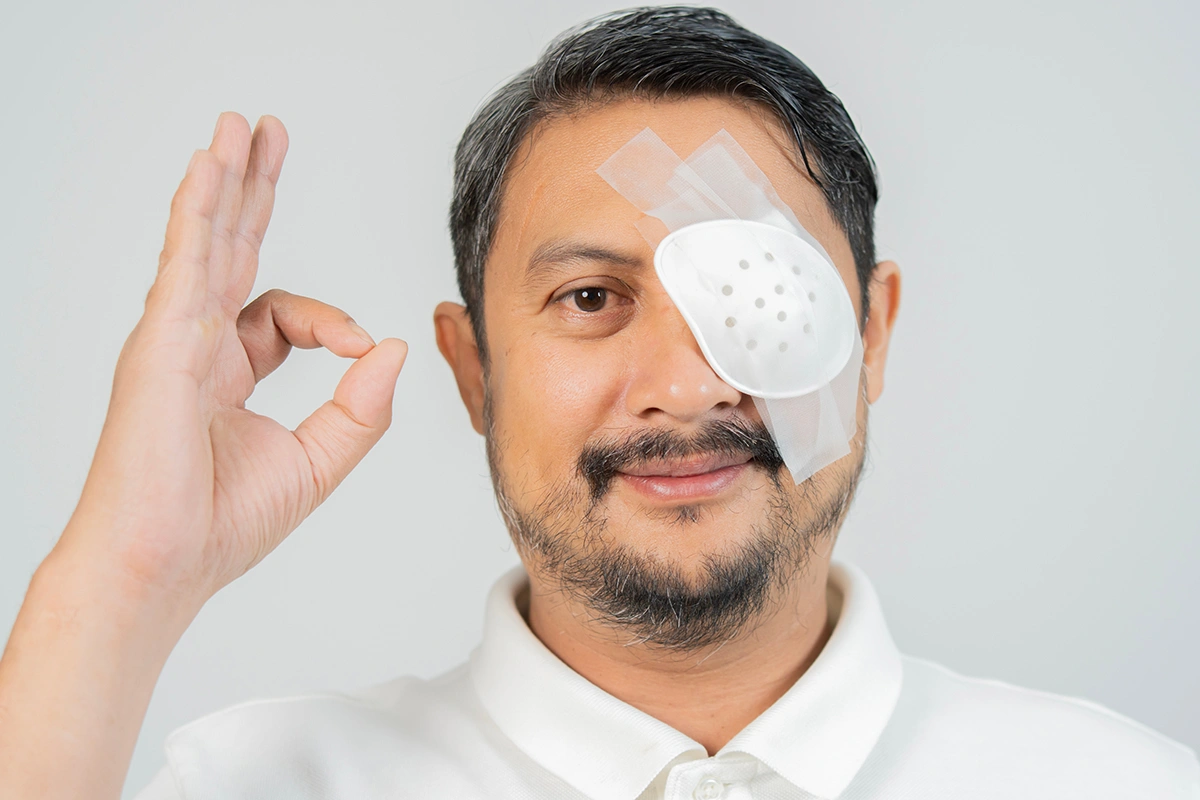
Understanding the risks and benefits of eye surgery, along with clarifying these common concerns, can help you make a more informed and confident decision about your eye health. Equally important is choosing a qualified and experienced ophthalmologist who can guide you through each step of the process, from initial assessment to post-operative care.
At Steve Seah Eye Centre, care is guided by a thorough and personalised approach to eye health. Led by Dr Steve Seah, a senior consultant ophthalmologist with over 30 years of clinical and surgical experience, our clinic provides comprehensive assessments and management for a wide range of eye conditions.
Contact us today to arrange a consultation and explore potential eye treatment options.
